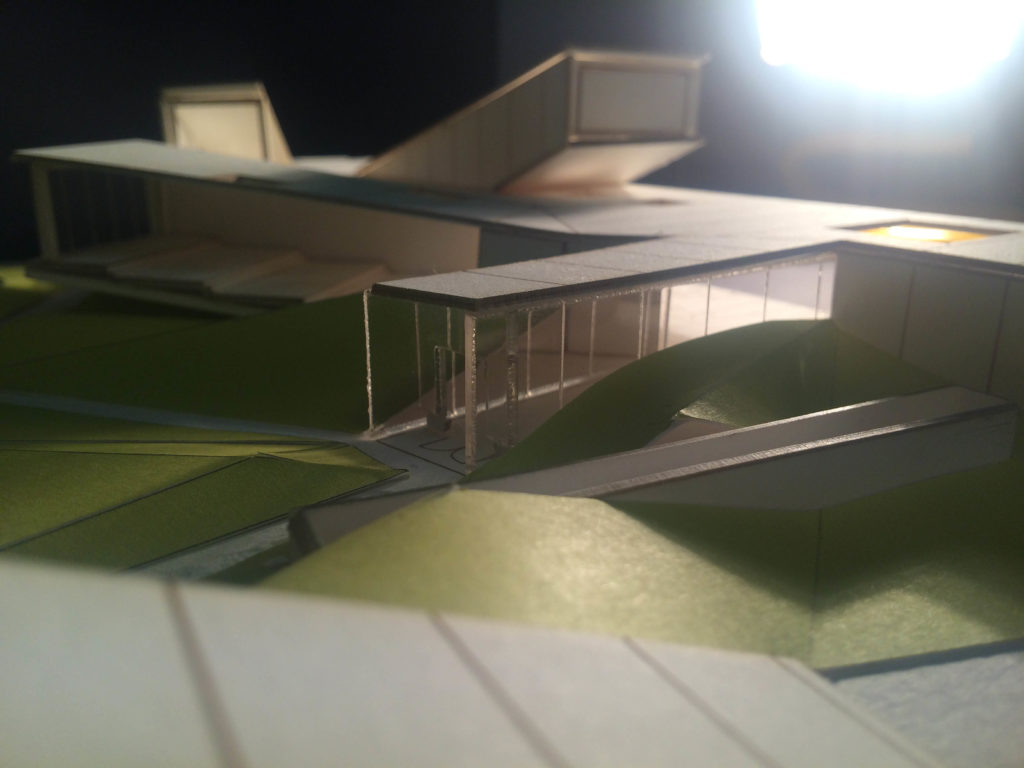
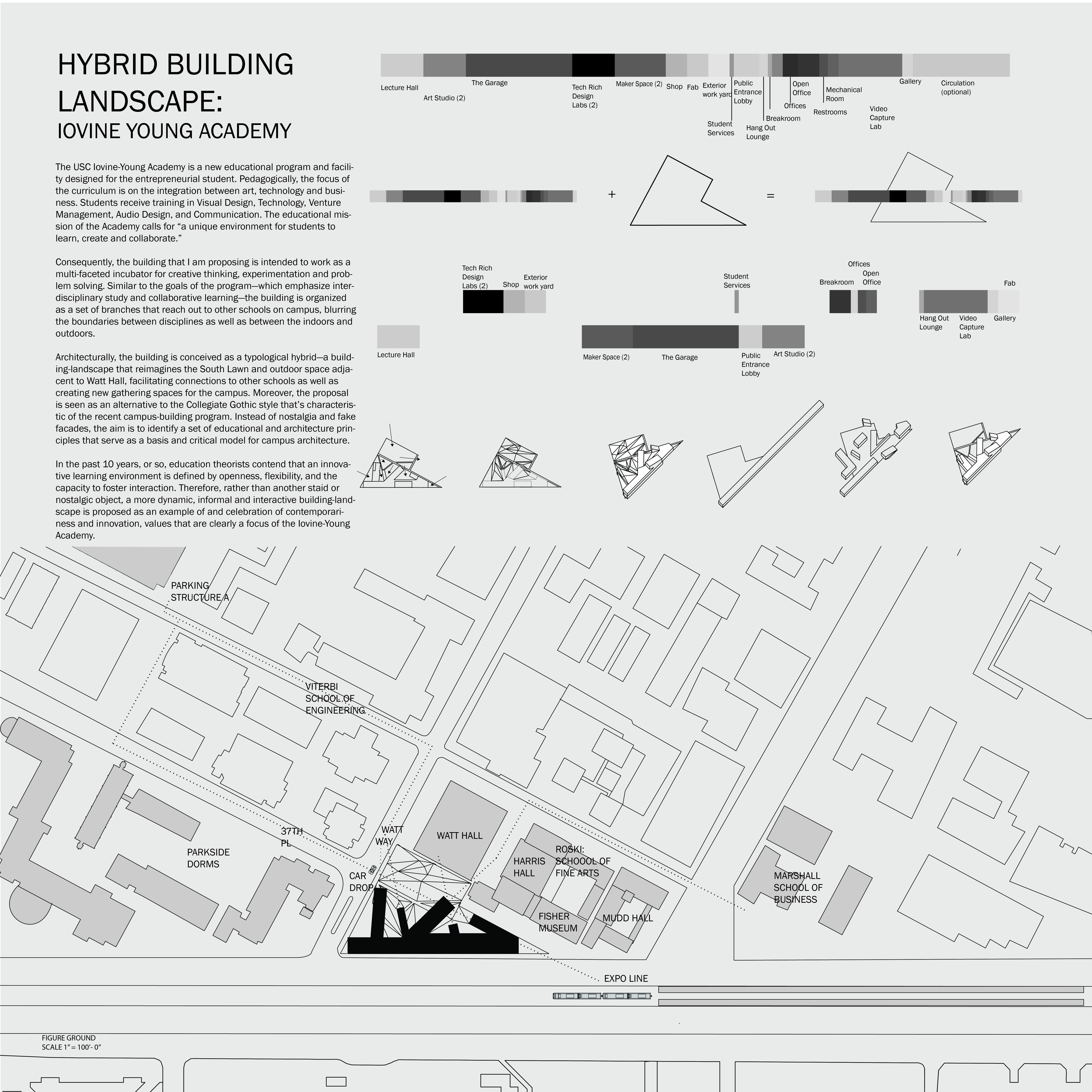
The USC Iovine-Young Academy is a new educational program and facility designed for the entrepreneurial student. Pedagogically, the focus of the curriculum is on the integration between art, technology and business. Students receive training in Visual Design, Technology, Venture Management, Audio Design, and Communication. The educational mission of the Academy calls for “a unique environment for students to learn, create and collaborate.”
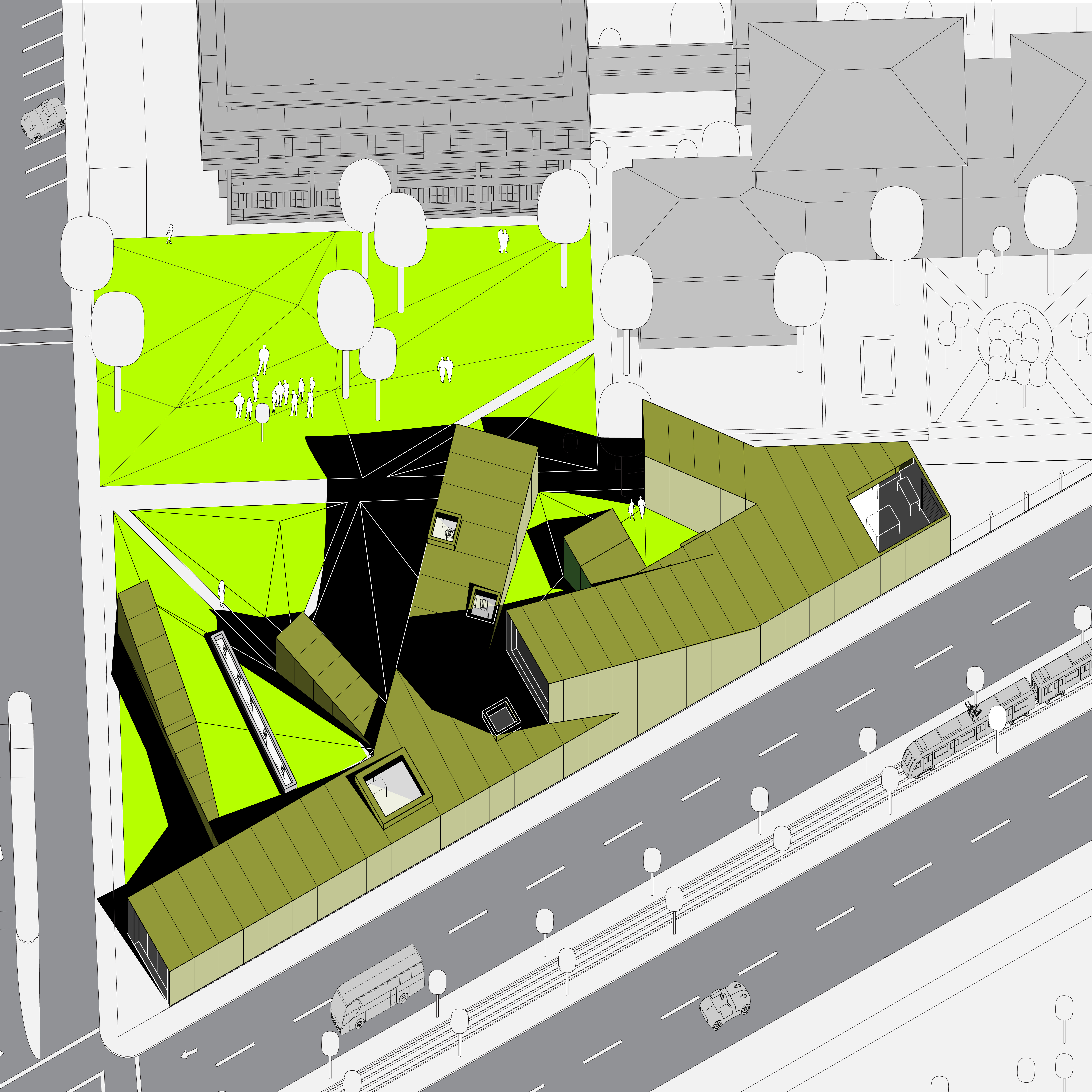
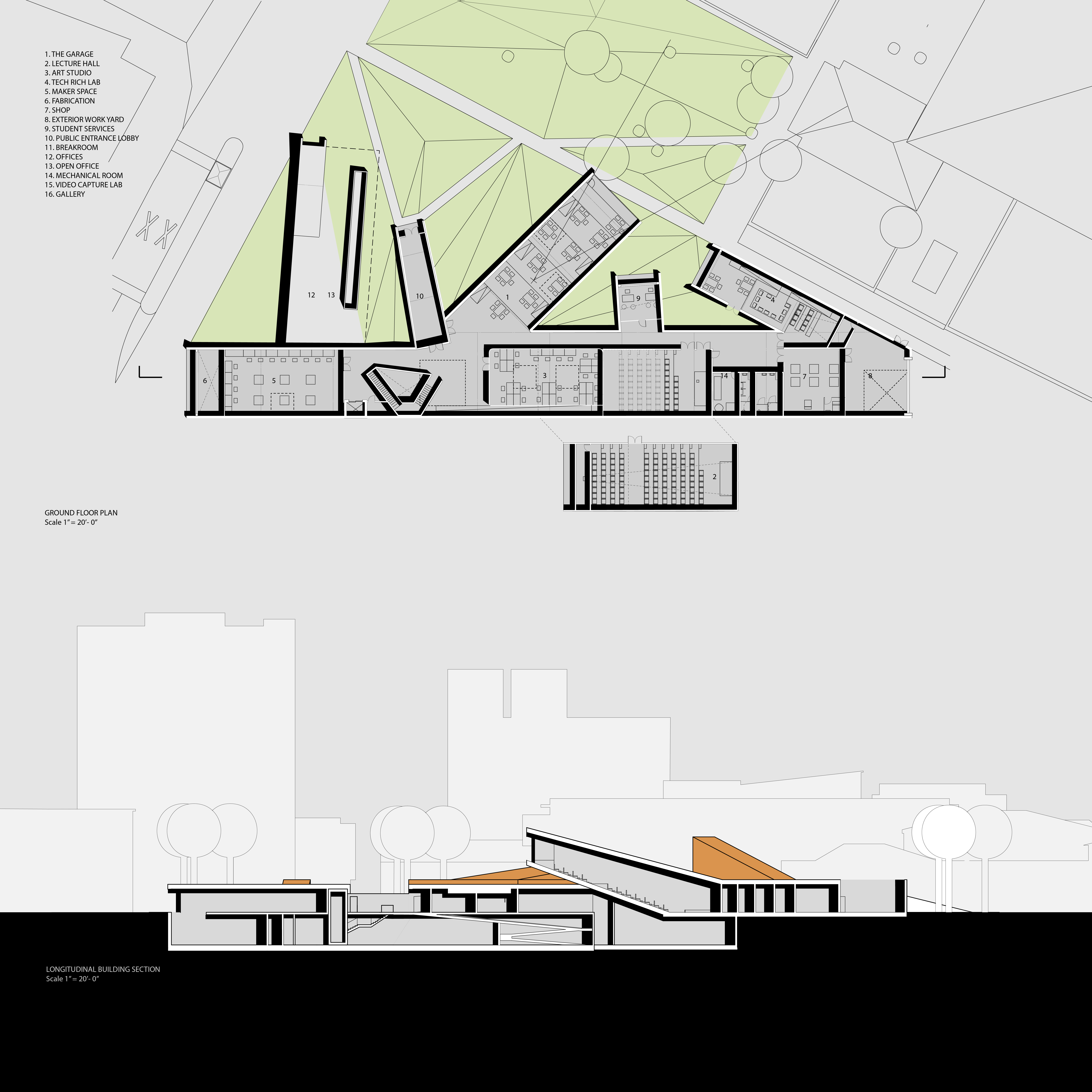
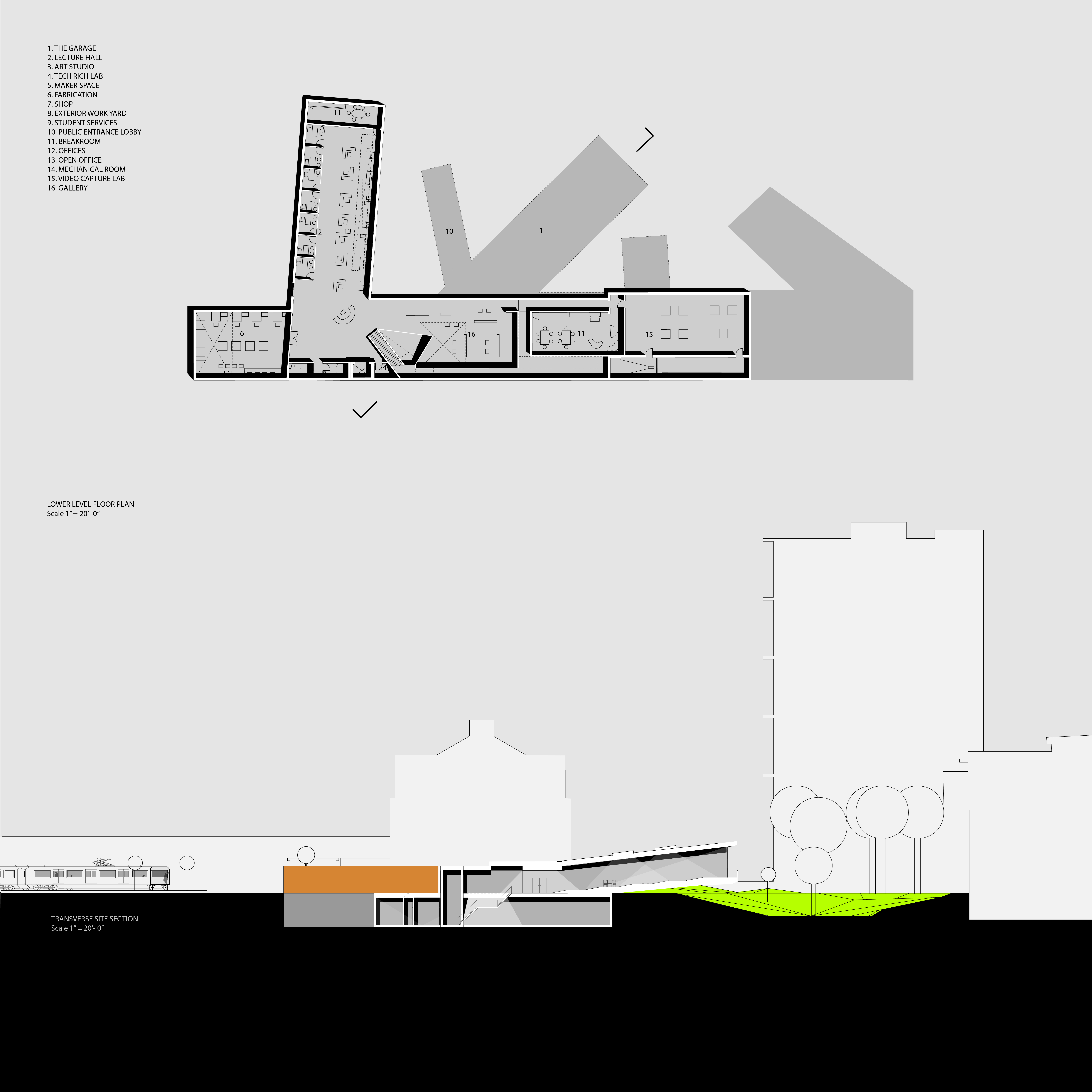
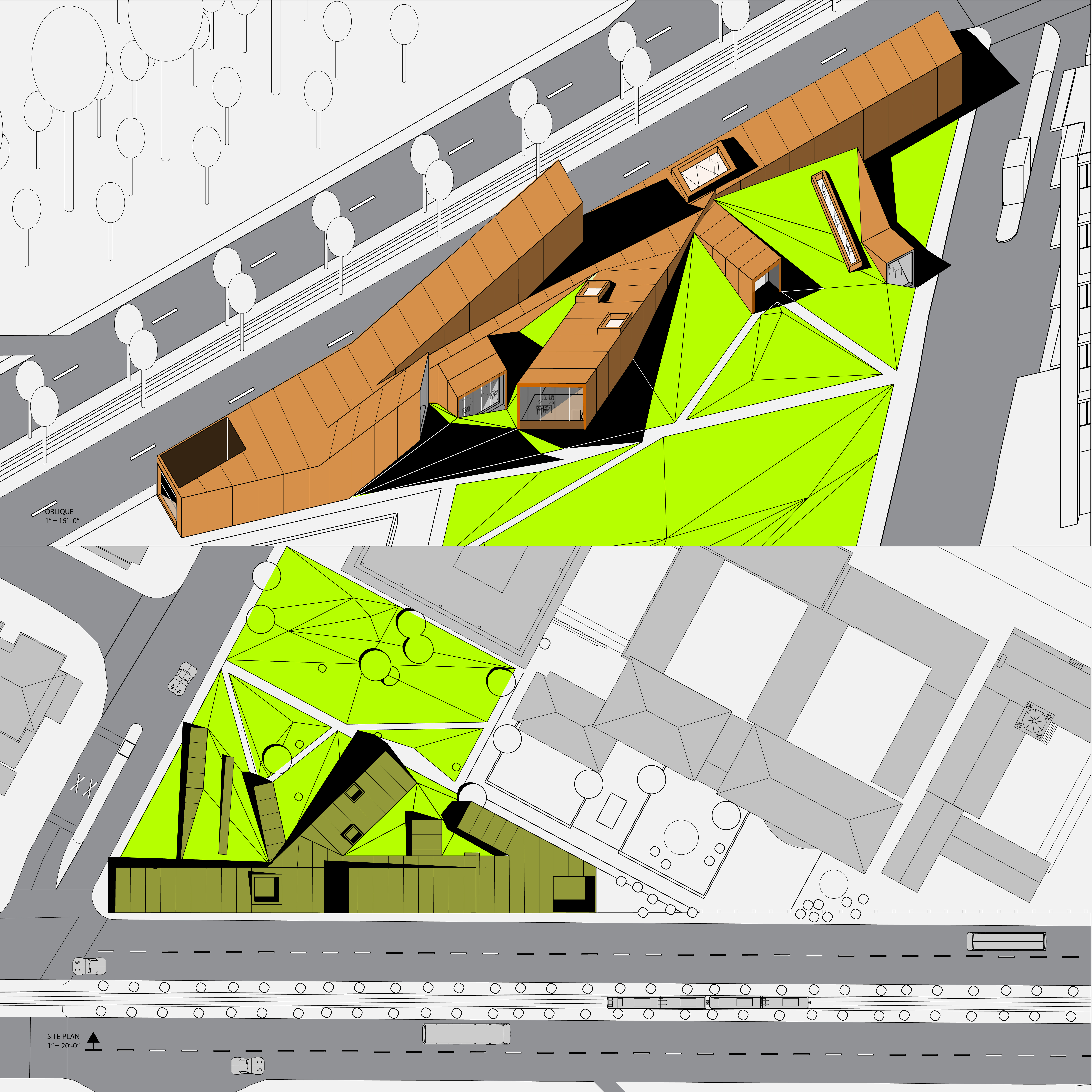
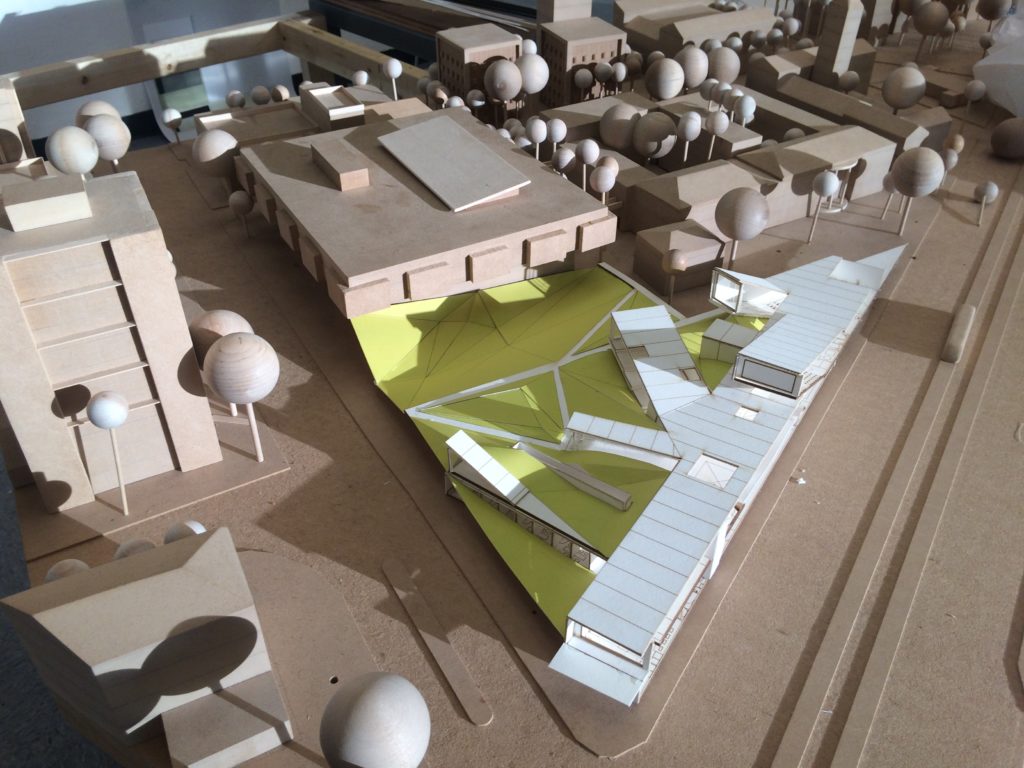
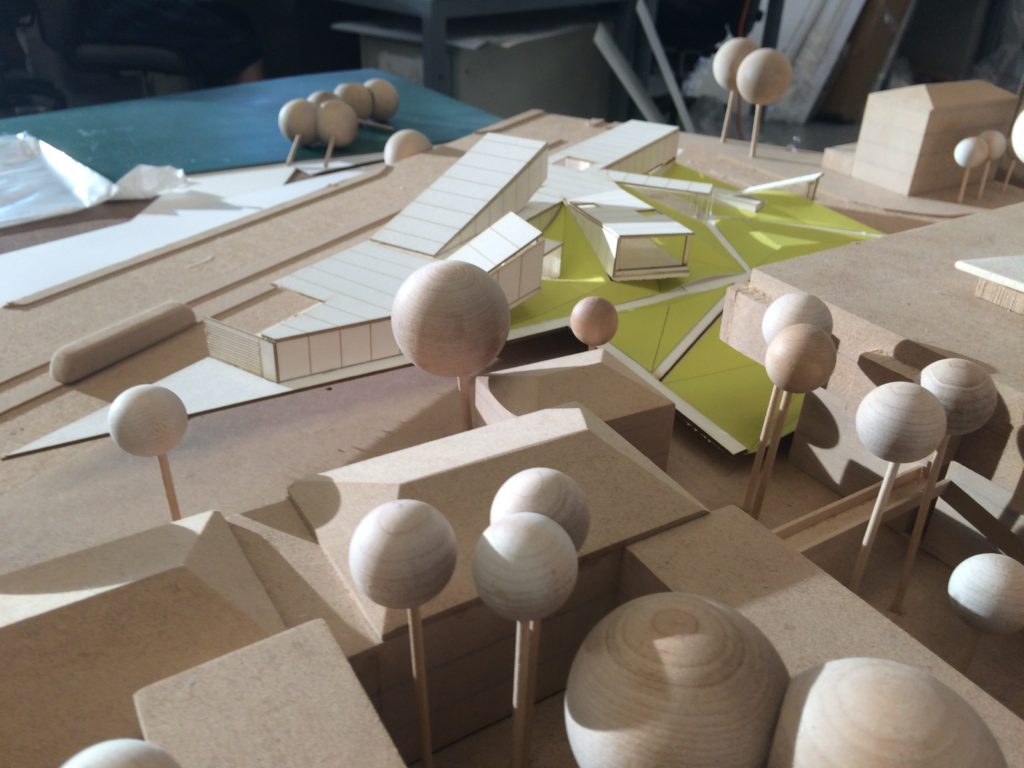
Consequently, the building that I am proposing is intended to work as a multi-faceted incubator for creative thinking, experimentation and problem solving. Similar to the goals of the program—which emphasize interdisciplinary study and collaborative learning—the building is organized as a set of branches that reach out to other schools on campus, blurring the boundaries between disciplines as well as between the indoors and outdoors.

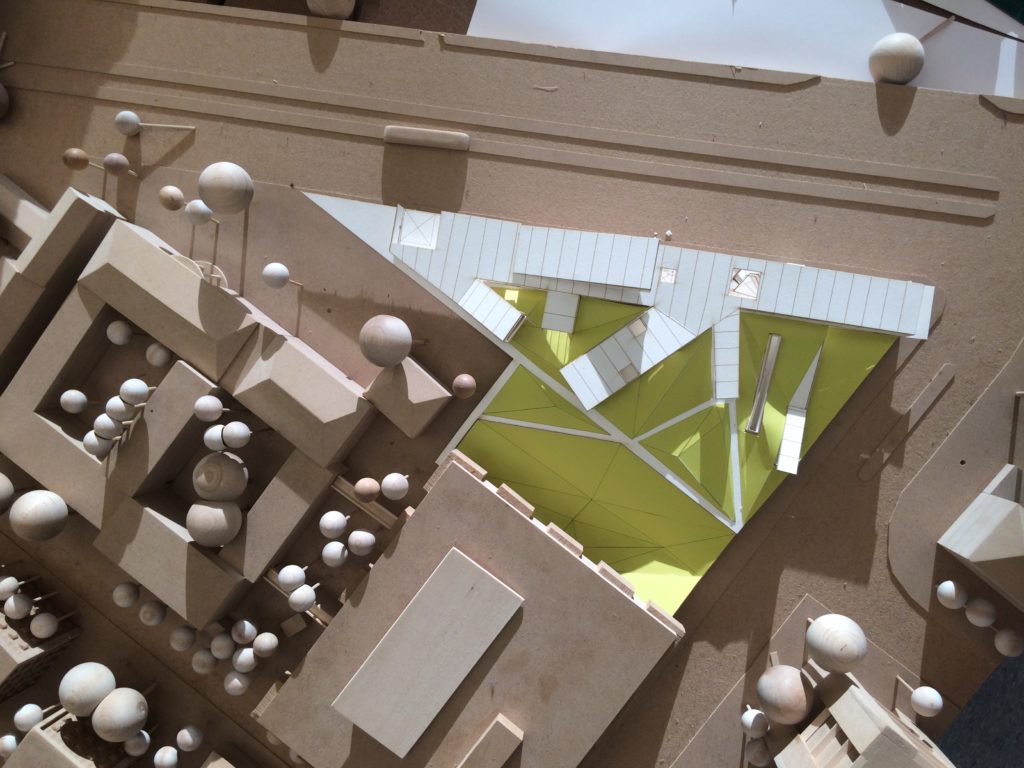
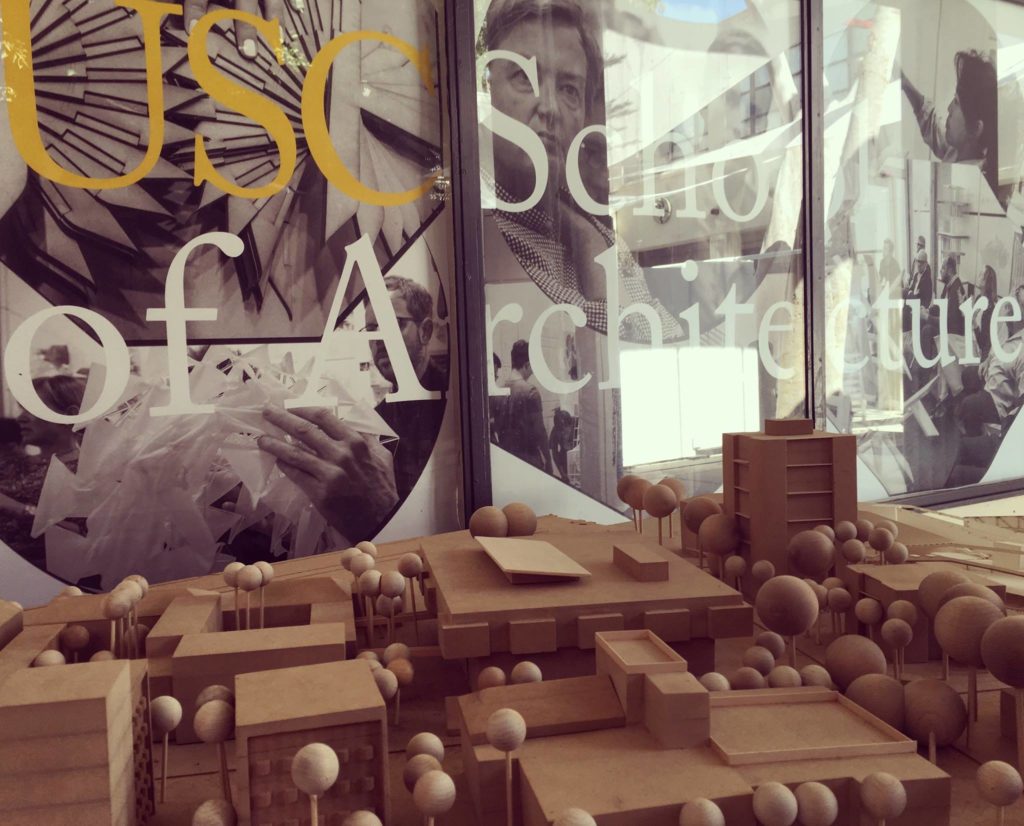
Architecturally, the building is conceived as a typological hybrid—a building-landscape that reimagines the South Lawn and outdoor space adjacent to Watt Hall, facilitating connections to other schools as well as creating new gathering spaces for the campus. Moreover, the proposal is seen as an alternative to the Collegiate Gothic style that’s characteristic of the recent campus-building program. Instead of nostalgia and fake facades, the aim is to identify a set of educational and architecture principles that serve as a basis and critical model for campus architecture.
In the past 10 years, or so, education theorists contend that an innovative learning environment is defined by openness, flexibility, and the capacity to foster interaction. Therefore, rather than another staid or nostalgic object, a more dynamic, informal and interactive building-landscape is proposed as an example of and celebration of contemporariness and innovation, values that are clearly a focus of the Iovine-Young Academy.
2016


You must be logged in to post a comment.